FAQ

Why Do You Get the Munchies?

“Munchies” refers to the severe pang of hunger that users may feel after smoking marijuana. Munchies are caused by the interaction between THC and CB1 receptors in the brain. This interaction heightens senses, allowing users to taste and smell things more intensely.

What’s The Difference Between Sativa and Indica Edibles?

Sativa strains offer a psychoactive high that is considered exhilarating. Because of its uplifting side effects, many weed users use Sativa recreationally at parties or other high-energy situations. Indica edibles, on the other hand, make users feel relaxed and calm. Although there is little evidence to back up these claims, many Sativa and Indica edible users have reported experiencing these side effects.

Does Smoking Weed Damage My Lungs?

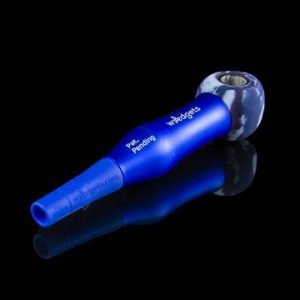
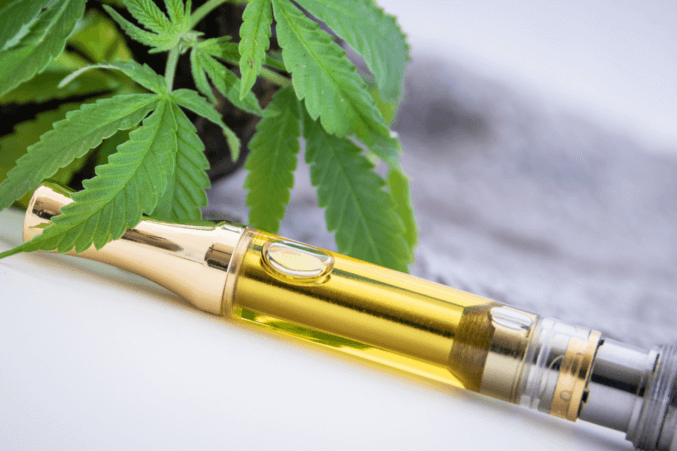
Smoking weed can definitely damage your lungs. Side effects like bronchitis and a buildup of air pockets in between the lungs are common among frequent smokers. The extent of lung damage caused by marijuana use depends on how you smoke it as well. Pipes, bongs, joints, blunts, and vapes are some of the ways a person can smoke marijuana.

How does It feel like to be high on weed?

Being high on marijuana can make you feel alert, happy, relaxed, hungry, confused, and even paranoid. The side effects of marijuana may vary depending on the strain, the terpenoid content, and the person. While many believe that marijuana is entirely safe and relaxing, it can actually cause anxiety, paranoia, confusion, and panic.

Is marijuana addictive?

Yes. We know that marijuana use, particularly long-term, chronic use or use starting at a young age, can lead to dependence and addiction. Long-term marijuana use can lead to compulsive drug seeking and abuse despite the known harmful effects upon functioning in the context of family, school, work, and recreational activities.

What’s The Difference Between THC and CBD?

The biggest difference between THC and CBD is that the latter doesn’t produce a high. CBD actually works to reduce any adverse psychoactive effects that may occur from THC.

Do all marijuana products get you high?

No, CBD does not get you high. One of the most frequently asked questions about marijuana is whether CBD can make you high. People often confuse CBD with tetrahydrocannabinol (THC), which is the main active component of marijuana. Cannabinoid (CBD) is a natural compound found in cannabis that makes the person feel relaxed and calm.

How do you use marijuana?

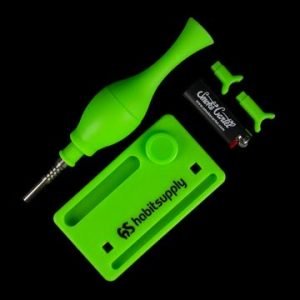
Marijuana can be smoked, mixed into food, or brewed as a tea. Lately, however, the most popular form of marijuana use is referred to as “dabbing,” which involves a concentrated dose of cannabis extract that is smoked.

How do you use marijuana?
Question

Answer:

Marijuana can be smoked, mixed into food, or brewed as a tea. Lately, however, the most popular form of marijuana use is referred to as “dabbing,” which involves a concentrated dose of cannabis extract that is smoked.

Does all marijuana products get you high?
Question

Answer:

No, CBD does not get you high. One of the most frequently asked questions about marijuana is whether CBD can make you high. People often confuse CBD with tetrahydrocannabinol (THC), which is the main active component of marijuana. Cannabinoid (CBD) is a natural compound found in cannabis that makes the person feel relaxed and calm.

Is marijuana addictive?
Question

Answer:

Yes. We know that marijuana use, particularly long-term, chronic use or use starting at a young age, can lead to dependence and addiction. Long-term marijuana use can lead to compulsive drug seeking and abuse despite the known harmful effects upon functioning in the context of family, school, work, and recreational activities.

How does It feel like to be high on weed?
Question

Answer:

Being high on marijuana can make you feel alert, happy, relaxed, hungry, confused, and even paranoid. The side effects of marijuana may vary depending on the strain, the terpenoid content, and the person. While many believe that marijuana is entirely safe and relaxing, it can actually cause anxiety, paranoia, confusion, and panic.

Does Smoking Weed Damage My Lungs?
Question

Answer:

Smoking weed can definitely damage your lungs. Side effects like bronchitis and a buildup of air pockets in between the lungs are common among frequent smokers. The extent of lung damage caused by marijuana use depends on how you smoke it as well. Pipes, bongs, joints, blunts, and vapes are some of the ways a person can smoke marijuana.

What’s The Difference Between THC and CBD?
Question

Answer:

The biggest difference between THC and CBD is that the latter doesn’t produce a high. CBD actually works to reduce any adverse psychoactive effects that may occur from THC.

How Is Synthetic Marijuana Different From Natural Marijuana?
Question

Answer:

As the name suggests, synthetic marijuana is different from natural marijuana because it’s man-made. Fake weed has been known to cause adverse effects in its users, including addiction. Synthetic weed is unregulated and often contains chemicals unknown to users. Some common side effects of synthetic weed include high blood pressure, tremors, anxiety, paranoia, and psychotic episodes.

Does Marijuana Cause Brain Damage?
Question

Answer:

Marijuana can cause brain damage by killing brain cells and affecting the way they communicate with each other. Memory, learning, and even your IQ can be affected by long-term marijuana use.

What's The Difference Between Sativa and Indica Edibles?
Question

Answer:

Sativa strains offer a psychoactive high that is considered exhilarating. Because of its uplifting side effects, many weed users use Sativa recreationally at parties or other high-energy situations. Indica edibles, on the other hand, make users feel relaxed and calm. Although there is little evidence to back up these claims, many Sativa and Indica edible users have reported experiencing these side effects.

Why Do You Get the Munchies?
Question

Answer:

“Munchies” refers to the severe pang of hunger that users may feel after smoking marijuana. Munchies are caused by the interaction between THC and CB1 receptors in the brain. This interaction heightens senses, allowing users to taste and smell things more intensely.

➤